
God is patient – let His Spirit grow goodness in you by looking at others through the eyes of the crucified Christ
Sixteenth Sunday in Ordinary Time – July 19, 2026
We seem to live in a world which is more and more defining people as good or evil. It’s a convenient and dangerous thing to do. By defining someone as evil it gives us a certain freedom to “attack” them and, more importantly, it takes the focus off our own behaviour.
And how do we decide who/what is evil? And are we able to recognise evil in ourselves? And where does evil come from? Fr Richard McAlear OMI, said: evil is not something over there, but the deceitful thoughts that come out of our minds and hearts: deceit that leads to selfish actions, or misuse of our power.
I think that background helps us understand God’s patience in each of our readings today. All three readings highlight not just God’s patient love but, importantly also, the hidden work and growth of the Holy Spirit in each of us. A nice follow on to last week’s Gospel of the Sower.
The Book of Wisdom reminds us that, despite God’s great power, God rarely uses it: and this is an invitation to us to hold our tongue, unclench our fist, and breathe deep so we can also show mercy and be patient, and even show kindness when we have the upper hand. But that is not easy: there is a strong urge/fear to be in control, and remove any threats in our lives.
Here Paul’s letter to Romans teaches us how the Holy Spirit helps us turn away from exercising our power rashly through prayer: prayer now takes on an extra dimension, not knowing what to say is similar to not knowing what to do! Regular prayer helps us pause the use of our power.
For example, a teacher chooses to give students extra time to finish their work instead of failing them immediately: that reflects the patience of God. Or, perhaps, you have a friend who struggles to express themselves, but you take time to understand their feelings: that’s the Spirit helping us (and them) through prayer. Prayer is both words and actions.
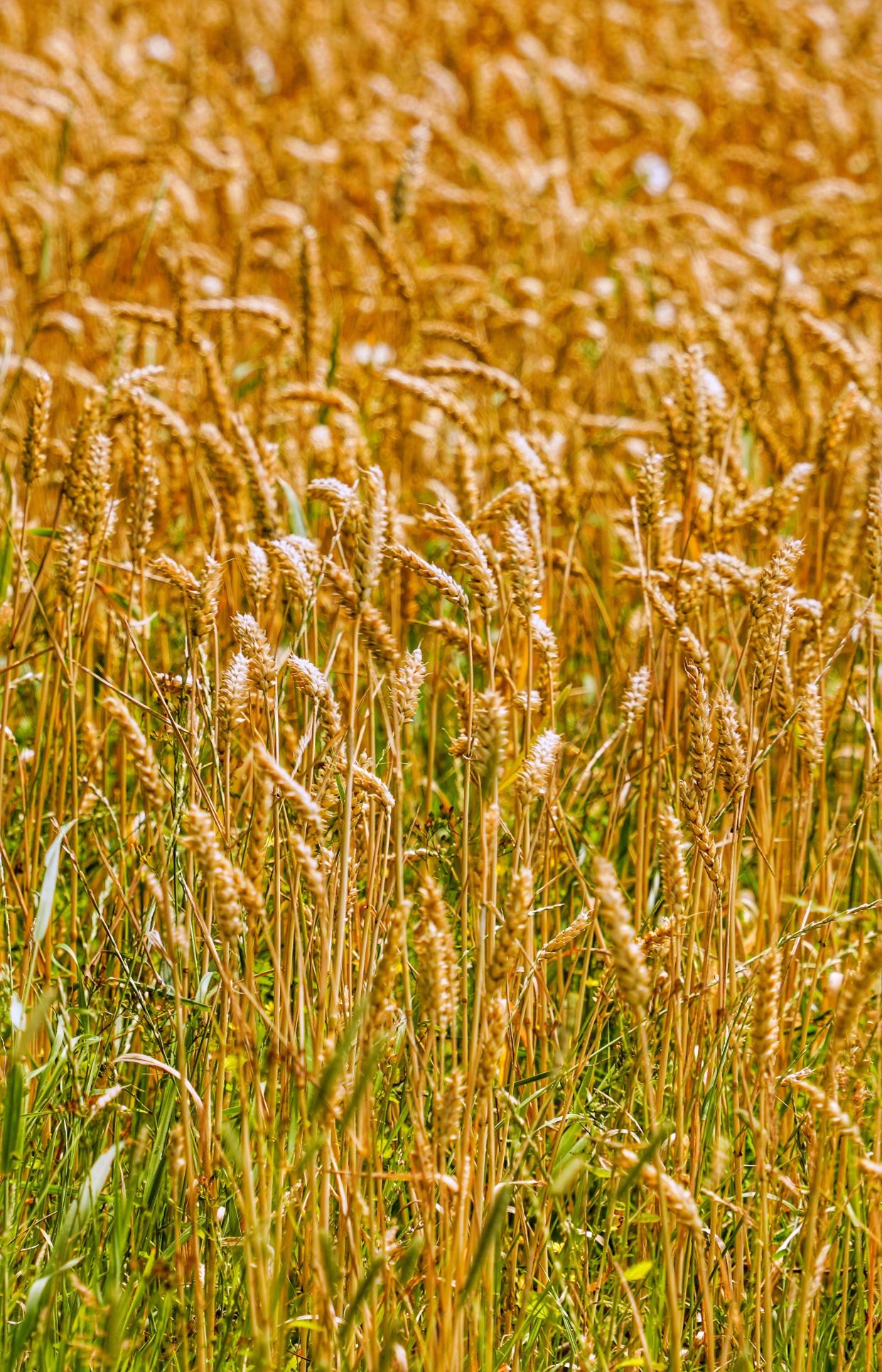
Then there’s the image in the Gospel where weeds and wheat are growing together: it’s a bit hard to understand why Jesus says: don’t pull the weeds out at once, but wait until the harvest. However, if one researches the type of weed mentioned by Jesus, it becomes clearer.
Darnel is a weed that looks very similar to wheat: Lolium temulentum (Darnel Ryegrass). If we decide to pull out the darnel we might make mistakes and remove some of the wheat. This is not just an agricultural warning but an image of you and I. God makes the sun to shine on the good and bad, and sends rain to all: God is ever hopeful that the ‘bad’ will become good.
There are very few 100% pure and good persons. Most of us have goodness and “badness” mixed in. God is giving each of us time for the Holy Spirit to grow in us and heal those parts of our behaviour which are “evil” or “bad”. Many parts of our lives are the result of our birth, the environment we grew up in and the nurture, or lack thereof, that we received while growing up.
Although there are many examples of forgiveness and tolerance by younger people, the younger we are, the more our judgements tend to be good or bad. As we grow older, we realise the areas of our own lives that need healing and therefore, hopefully, grow more patient and tolerant of others who need “healing”, need to change their behaviour.
To be successful in life we really need this lesson from Jesus today: it is a call to observe with patience and seek guidance before writing people off 100%. Prayer is a really helpful discipline that doesn’t so much gives us instructions how to treat others, but firstly pushes us to be honest about ourselves: to help us see the “evil” of “bad” bits inside ourselves.
Success in life is not a solo effort: we need other people. By working with others, we not only find healing for ourselves, but also have the privilege of helping them find healing. Removing people too quickly from our lives may remove someone critical to our success.
So, Jesus is wise: Don’t judge too quickly. Like the wheat and weeds, people may look messy or imperfect, but God wants us to see the heart of the other person: that sacred and sensitive place that carries both our goodness and our wounds. In the Oblate way of life there is an excellent expression that is common: we see the world through the eyes of Christ; here we mean the crucified Christ, when Jesus forgave the men crucified with him.
Finally, this Gospel is also a warning to each of us: the life-cycle of wheat and darnel is similar for about 75% of the cycle. But then, darnel remains a barren weed (an empty life) while the wheat produces a good harvest (success). But, while the darnel and wheat looked similar on the outside for a long time, the wheat was doing things differently on the inside. What about us?
Max Lucado said: “God loves you just the way you are, but He refuses to leave you that way. He wants you to be just like Jesus.” The big question is: are we willing to look for healing so we can produce a harvest? Or will we keep trying to hide our pain/shame and end up empty?
The readings tell us of God’s love for each of you: we are a work in progress. Be courageous and seek healing, not in the bottle, but in the kindness of God through good neighbours.
By Gerard Conlan, OMI