
I am my brother’s keeper – a watchman of love
Twenty-third Sunday in Ordinary Time – September 6, 2026
“Am I my brother’s keeper?” Gen 4:9. This is a famous line after Cain killed his brother Abel. God asked, “Where is your brother Abel?” and Cain replied, “I do not know; am I my brother’s keeper?” Why I mention it here today? Ezekiel passes to us the responsibility given by God, to be a watchman to warn others.
I suggest that when we fail to warn others of danger, we are in a way, killing our brother/ sister: death by a thousand cuts. If frustrated or angry, we can even be happy when they suffer. But when we are watchmen, we show how much we love and value our friendship(s): and help to transform others; especially young people wanting assurance that they are valued and needed.
It is often challenging for young people to warn their friends about risky/ dangerous behaviour: there is criticism about being a “goody-goody” or being a “weakling”, or not being a “real man” when it comes to sexual matters. Drugs, alcohol and breaking the rules are great temptations.
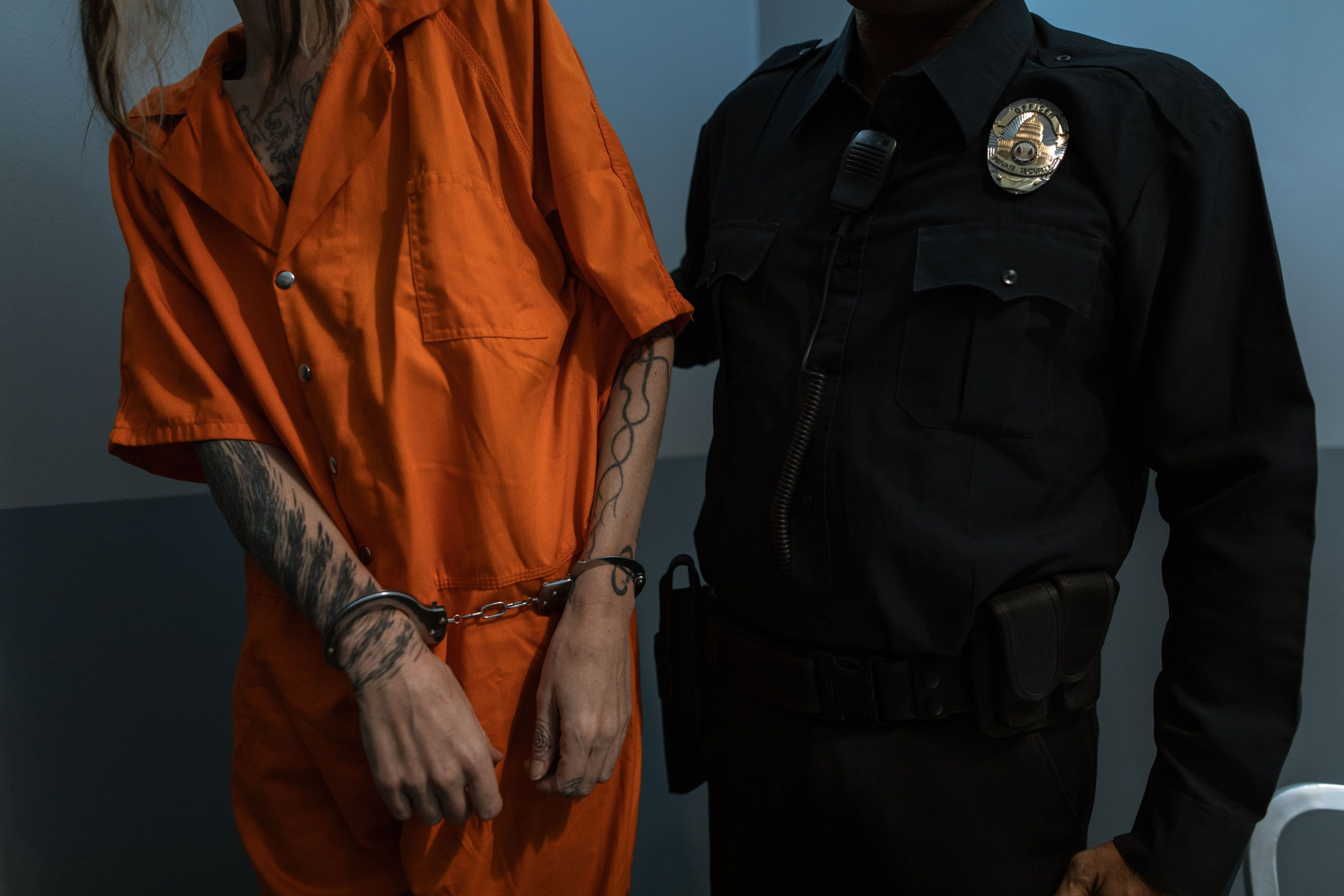
Due to puberty and the slow development of that part of the brain handling consequential reasoning (the frontal lobe), there is an element of recklessness in us during adolescence which is necessary to push us out of home and into independence. So, God gives us watchmen to restrain and guide that “recklessness”: first our parents/ siblings, our friends, and the Police!
Can we be silent for a moment and ask ourselves: am I a watchman for someone? And what sort of watchman am I? I was inspired by the story of a high school student in Kiambu who noticed his friend sneaking drugs. Instead of ignoring it, he warned him even if he might lose their friendship. Thankfully, the friend later admitted the warning had saved him from trouble.
Perhaps the reason we sometimes (often?) fail as watchmen is that we begin the conversation with a judgemental attitude, coming across as condemning. Perhaps, in the role of watchmen, we need to begin with a friendly statement like: “hey, brother, you know I’m your friend, right? I’m worried for you… I see you doing 1-2-3, and I don’t want to lose you.”
I remember a youth member in Kionyo parish, Patrick, came and asked how to help his friend becoming addicted to pornography. I gave him a few tips, and he went off happy, and later brought his friend to see me. He was a true watchman: a gentle friend who didn’t condemn.
That event nicely opens up our Gospel about approaching people privately, and then with a few people, before coming with the full weight of authority. But should we wait for people to make mistakes before approaching them “privately”? Or can we read deeper into the message of Jesus and see the importance of approaching people privately before the mistakes come.
In that way, we avoid a lot of pain and anguish. They say that boys who light bush fires are often seeking attention without thinking of the consequences. Perhaps many of those we watch over might also be doing reckless things as a way to seek approval or, especially in the case of boys, wishing to hear their father/ mother say “well done, I’m proud of you.”
So here is a strong encouragement for our dads and mums to be regular in saying positive things to their children: especially as they grow older, and more exposed to the world, where nobody thinks they are important. Parents (and religious!) are often stressed with work and financial worries, and are quick to notice, and growl at their errors;
but, when we enter into the lives of our young people to praise them, they will be much more open to being “guided” or “corrected”; and the more positive relationship that develops will help remove the stresses we carry: God is real smart! Family life is mutually enriching for all.
Paul, in Romans, helps us extend the circle of whom we are watchmen to by breaking down tribal and religious barriers and says: all commandments are summed up in love. I feel strongly that the younger generations are the saviours of Kenya: they are less rigid in the negative stereotypes we apply to other groups, and more accepting of friendships across all “borders”.
Even when we don’t think they are doing “much”, let us recognise the important work they do in breaking down barriers and building peace in our communities: that seems like a lot to me. During the drought in 2022, I loved hearing about the youth in Turkana, who organized water sharing for families with donkeys who were too weak or had fewer containers. They didn’t ask “whose tribe” or “whose family” — they simply acted out of love.
Finally, then, we are all called to be watchmen who correct with love.
Not that I’m advocating violence, but I like the custom in Meru where a young man is corrected by his peers rather than his father: the dad might tell a senior member of his son’s age group, that his son is disrespecting his mother: and they will deal with him. As a watchman, if we feel we can’t intervene, then do it through a third party who may be more effective or less threatening: calling the cavalry is just as good as being the cavalry!
By Gerard Conlan, OMI