
Let God’s love heal our personal wounds, and gain the strength to love others
Our world is in a big mess at the present time, with much suffering of widows and orphans: Sudan, Israel/Gaza, Ukraine, Yemen and Myanmar. Just this week the UN Food Programme has reduced its aid to Gaza due to a lack of money. Many countries are spending big on weapons and reducing help to the poorer nations.
In Kenya, the majority of people are currently facing complex social and economic hardships. There is high unemployment, high cost of living, poor health care services and demands for greater transparency from Government and Church institutions. All these factors have strained family relationships and many have been emotionally, and often physically, wounded.
Although Jesus stresses the need for love, it is becoming more difficult for the average person. However, about once per month, our Oblate Youth in Nairobi are managing to feed families, street children and mothers in Mathare slums. It is a drop in the ocean of people suffering there. However, the joy of helping others is mutual for the receiver and the giver.
And thanks be to God for all those who support the youth to help them share the food to about 70 families per month. Although struggling themselves, the youth who sacrifice their time each month are visibly touched by the gratitude of the people and pride in themselves. It reminds us of something important and explains why Jesus still calls us each day to LOVE our neighbour:
The challenges given in our readings, when lived faithfully, become the pathway for us to find peace for ourselves, and renew our hope for the future. As Pope St John Paul II said: no one is so poor they have nothing to give and no one is so rich they cannot receive.
Love is less about feelings, and more about active decisions that bring about a positive new reality for others. The two commandments are almost the same. Jesus deliberately links them together because it’s difficult to love God when God cannot be seen. By loving our neighbour, we are loving God. So, why is it so often difficult to be kind to our neighbour?
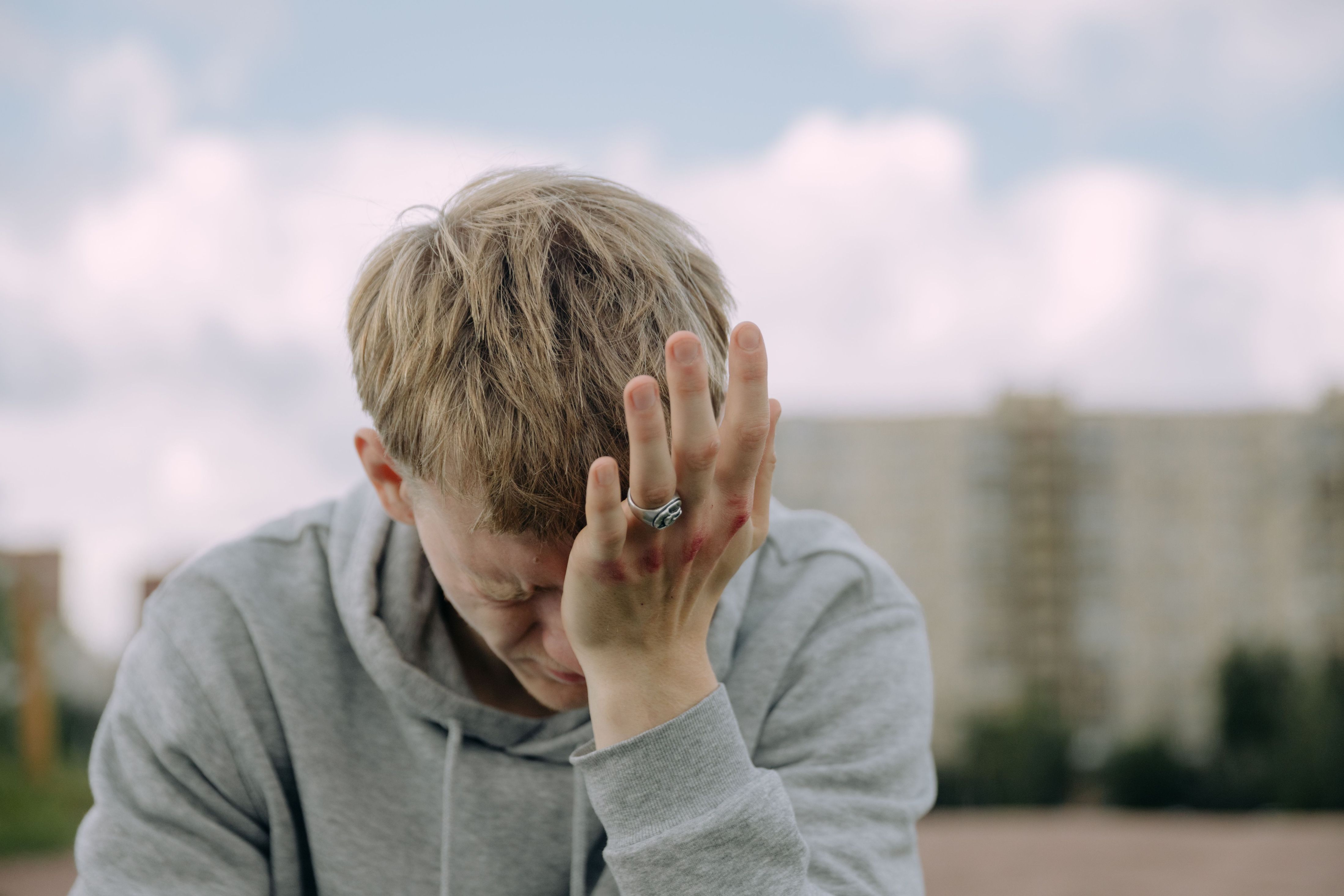
The last part of the 2nd commandment has a vital condition: “Love your neighbour as yourself.” When we don’t love or appreciate ourselves, it’s difficult to fulfil this commandment. How many of us are wounded? Most of us have suffered one or more of the four official types of abuse declared by the United Nations: physical, psychological, sexual and neglect.
Therefore, we need to practice some self-care even as we care for others. Unfortunately, many people are reluctant to talk about past abuse as it is emotionally painful. Several friends have told me their fathers rarely talked about their experiences in war; and most men returned home very much changed by their experience in combat, which also affected their families.
Likewise, many people have experienced pain as children, and as adults, but are ashamed or afraid to talk about it. Today’s readings also call us to minister to our brothers and sisters, close to home, to help them find healing from the past.
Reaching out to feed the hungry, or give clothes to the street children, can be a great way to help in our own healing, but additional care is needed to heal the deeper wounds that affect us.
By healing our deeper wounds, we will be more effective in loving our neighbours and be able to find peace in the midst of difficulties, such as the hardship faced by so many Kenyans, Sudanese, Ukrainians, etc.
I would also suggest that some of us are labouring away and carrying “imagined” wounds. For example, in past generations life was more demanding on children than it is today: eg. taking responsibilities to help mum and dad manage the family, business/ farm. Perhaps there was shouting and sharp discipline.
Some from previous generations carry resentment, creating a victim mentality. However, people from past generations generally have a more reasonable sense of entitlement and know how to work hard. While some from the current generations have a very high sense of entitlement and complain when asked to work hard. We should ask: am I a winner or a victim?
In conclusion then, God’s two main commandments today, provide a pathway to finding healing for ourselves as we give generously to help others. One struggling youth, after his first time serving food in Mathare slums, said: “this morning I thought I was very poor. But now, after serving food, I see that I’m a rich man.” Helping the poor, helps us appreciate more.
May we find time this week to help our close neighbours, friends, brothers and sisters to find healing for their wounds while also inviting them to join us in serving others in our communities. Wounded people wound people. But healed people heal people.
When we understand how deeply God loves each of us, we will be strengthened to accept ourselves more joyfully, and serve our community(s).
By Gerard Conlan, OMI