

Building Life-Giving Communities
Seventh Sunday of Easter – Ascension – May 17, 2026
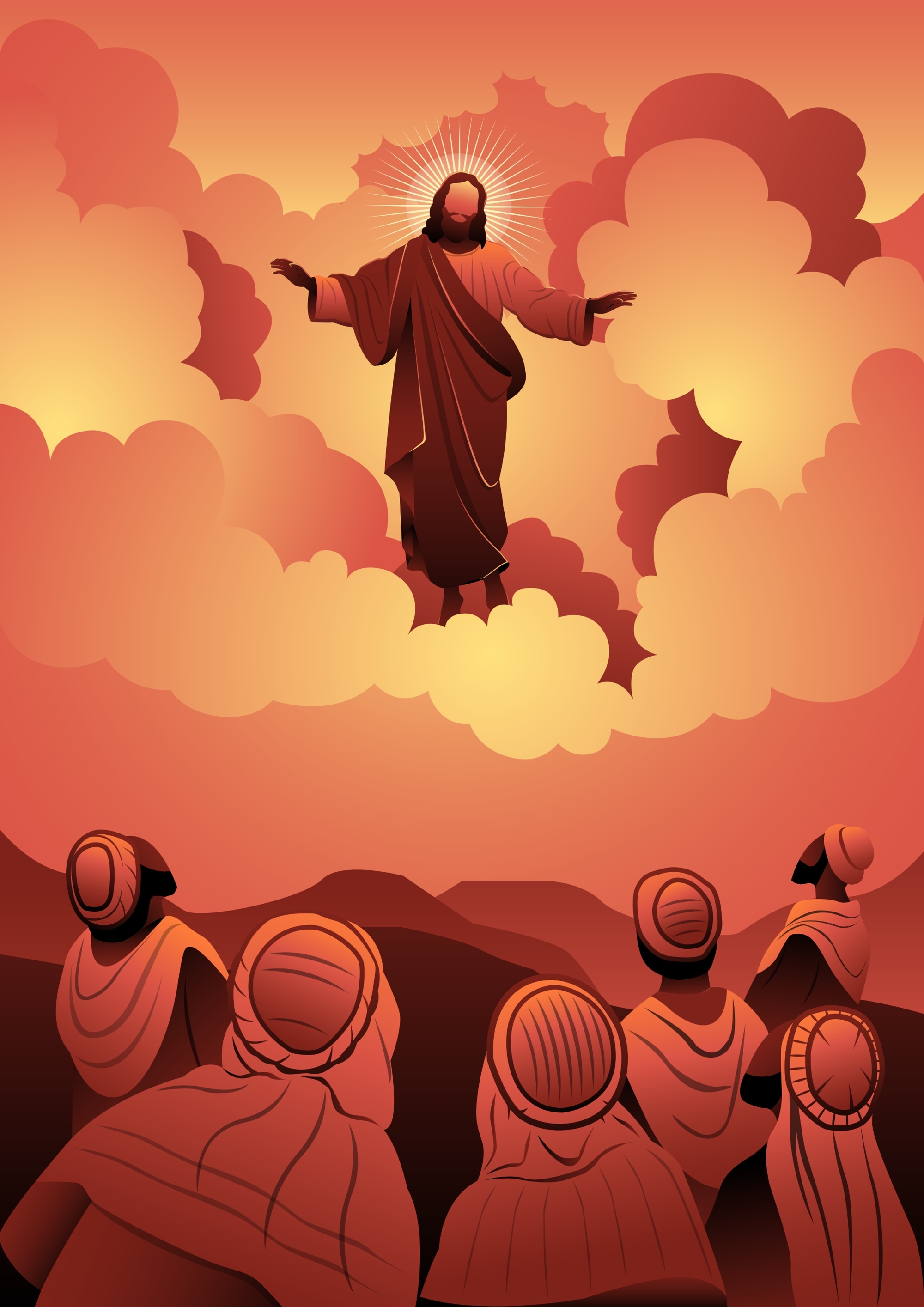
In Kenya, I often walk past a nice, small boutique Hotel called After 40. After enquiring, the owner chose that name because of her Christian Faith: throughout the Bible there are many references to “40”, and after each of those Biblical events something good, something great, happened. After 40 days, the Ascension brought about a new relationship between God and us.
Around the world these last two or three years of Easter celebrations, increasingly since COVID, it has been encouraging for us to hear that, a good number of young people have chosen to enter the Catholic church. And the reason?: seeking community, and all it means.
Strangely, the Ascension looks like Jesus abandoning His community. However, as we learn, Jesus is withdrawing in order to return in a different way. And this is a challenge to each of us to remember that, even as leaders, there are times to change the way, or mode, of our participation in community and leadership.
What do we desire from the Church community? The small research done this week (The Tablet, The Catholic Leader, US Catholic and Springtide Research), shows the following reasons for our younger generations which express, I think, what all of us truly desire:
- A longing for community and belonging: Young adults repeatedly say they are tired of loneliness, isolation, and the hyper-individualism of modern life. They seek a community that is stable, supportive, and rooted in something larger than themselves.
- A desire for spiritual grounding and a sense of the divine: Many report feeling a spiritual hunger—an intuition that there is a higher power and that life has a deeper meaning. Catholicism offers a structured, sacramental way to encounter God.
- Searching for purpose and meaning: Young people say the Church gives them a framework for understanding their lives, suffering, vocation, and moral choices. They find that Christianity answers questions they cannot resolve elsewhere.
- Authentic relationships and multigenerational community: Research shows young adults are drawn to religious communities that prioritize real relationships, shared leadership, and justice-oriented action. They appreciate churches that live out “active love,” not just words.
- A positive experience of witness and accompaniment: Many young people entering the Church today speak of encountering joyful, committed Catholics—friends, mentors, campus ministers—whose lives made the faith attractive. Churches offering retreats, formation, and young-adult outreach see higher engagement.
- Emotional support and identity formation: Surveys show that young Catholics who stay or enter often describe the faith as something that helps them feel loved, supported, and known. Their reasons are relational and experiential, not merely doctrinal.
You might be wondering why this info. is included for this homily? There are many theological understandings that give meaning to the Ascension. However, one simple reality is this: Jesus left the disciples in order to give them room to grow, to be responsible, and experience the joy of being co-creators of community.
How good are we at giving up “power” or leadership to others? We see in Africa, and other parts of the world, that many political leaders do not want to step aside. Are we able to “share” leadership? Are we caught up in a fear mentality that those who follow will muck it up?
Secondly, the Ascension does not mean that Jesus has abandoned His disciples or the Church. God has taken a risk with us, and God has suffered from the mistakes made in the Church from 2000 years ago. But God continues to walk with us. Are we willing to stay and work in the background or other ways, to help those appointed into leadership?
Finally, Jesus invited His Apostles to continue the mission: “Go, therefore, make disciples of all the nations; baptise them in the name of the Father and of the Son and of the Holy Spirit”.
Why did Jesus emphasise “in the name of the Father and of the Son and of the Holy Spirit?”
On Trinity Sunday we will discuss more, but it emphasises the essential element of Community amongst us, by inviting us to model ourselves on God as Community.
As someone said: The youth are not rejecting institutions—they’re seeking better ones. Contrary to stereotypes, young adults in recent studies say they appreciate the good work churches do and value the stability and moral clarity the Church offers. They are not trying to “burn down religion”; they want a community that lives its mission with integrity.
Have we been in our position for 40 months, 40 years? Is it time for us to change the way in which we serve our communities: done well, it will lead to a great new period in our lives as we transform our relationships, and become great mentors to people in our various communities.
By Gerard Conlan, OMI