

Choosing the Story of Grace: 200 Years of Oblate Mission
The bicentenary of “our Book of Life” is a great feast observed in several countries around the world. For us here in Canada, particularly in the Notre-Dame-du-Cap Province, it is a beautiful celebration, one that rekindles memory, reminds us of where we come from, and invites us to reread our history.
But before speaking about the meaning of this feast for us, I would like to share a story
It is the story of a farmer who lost everything in a storm. Everyone felt sorry for him and expected him to be angry, broken, and bitter. Yet he remained happy. Always happy. One day, someone asked him, “Why are you always happy when you should be sad?”
He replied, “I chose which wolf to feed.”
The person, surprised, asked, “What do you mean?”
He explained that every morning, when he woke up, he found two wolves at his door. Every morning, he had to choose which one to feed and which to leave unfed. There is the wolf of anger, sadness, and anxiety that regularly knocks at the door. But there is also the wolf of gratitude. And every morning, he chooses to feed the wolf of gratitude. Because the wolf you feed is the one that grows. The wolf of anger does not disappear, but it is not fed.
As we celebrate this feast today, I think of that story and apply it to our situation. The history of the Missionary Oblates in this part of the country and this part of the world is both a story of success and a story of failure. We can choose to feed the narrative of failure, or we can choose to feed the narrative of success.
Today, I have chosen to feed the narrative of success
The success of missionaries who, despite their difficulties, weaknesses, sins, and lack of knowledge or judgment, decided to walk this land. Certainly, if we chose to tell the story of failure, there would be much to say. Much. But since today we choose to tell the story of success, let us look at what is happening now.
While the community is shrinking and aging, many of our members remain committed. There are still men and women who, despite their age, continue to follow in the footsteps of Saint Eugene de Mazenod.
What is particularly significant is that we are realizing, or rather rediscovering, that this mission is not reserved for priests or brothers. The charism of Saint Eugene de Mazenod is a gift for the whole Church, and that is precisely what is being manifested today through our missions.
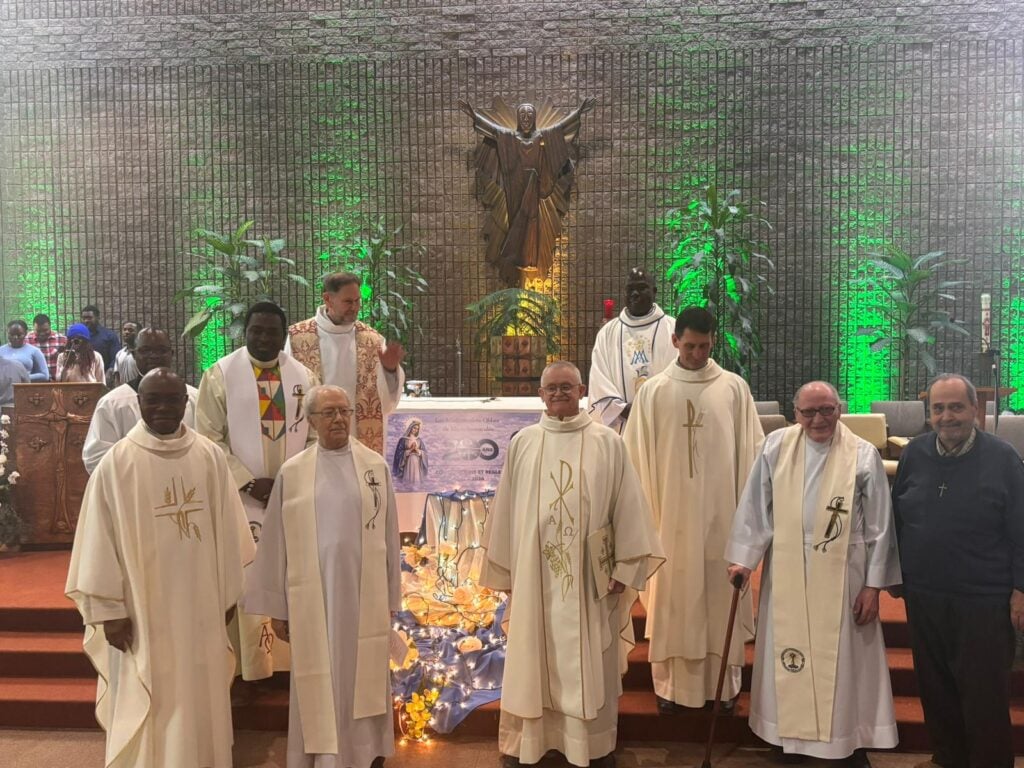
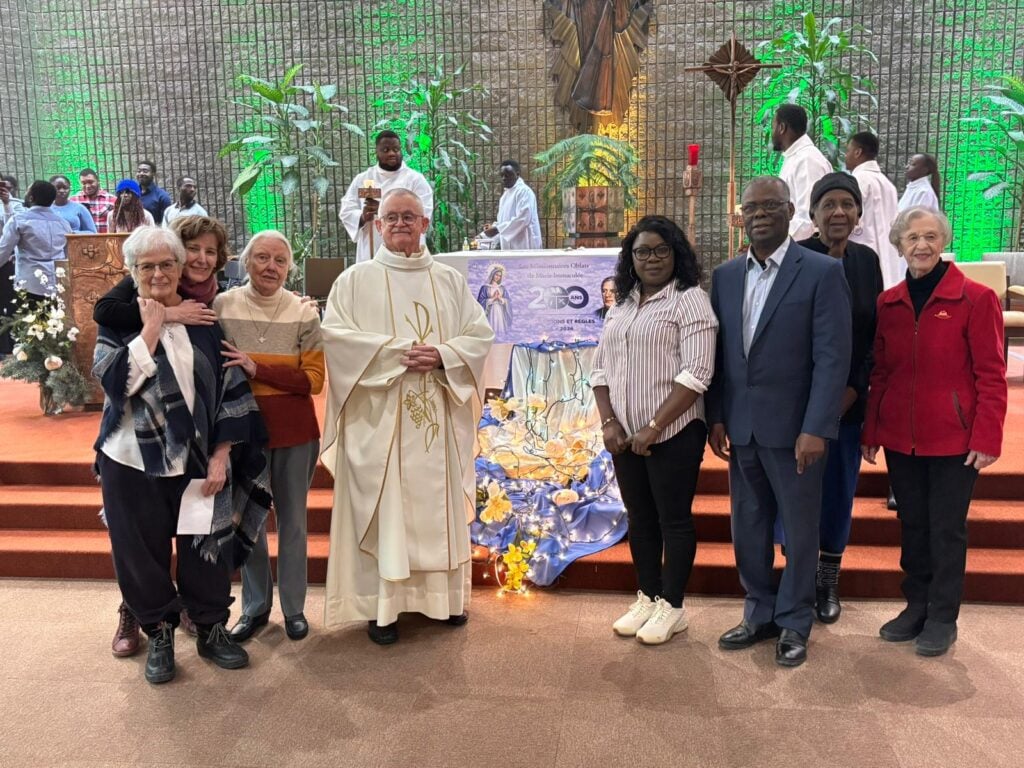
I think of Sacred Heart Parish in Ottawa. During the celebrations of this jubilee year, we gathered, Oblates, associates, Oblate youth, and many friends who came to share our joy. During that celebration, I took time to observe. I looked at the Oblates, priests and brothers, though aging, yet faithful to their commitment, present and persevering. I looked at the associates, also aging, yet engaged with conviction. I also saw young people, in the bloom of youth, living this charism with us in our missions and parishes, particularly at Sacred Heart Parish.
Seeing these young people, I told myself that the Oblate charism is truly for the entire Church. Coming from different parts of the world, we gathered to give thanks on the occasion of the 200th anniversary of the approval of our Constitutions by the Church.
Today, we commemorate the story of achievement, a triumph exemplified by these young people. Success is evident in fidelity to the Oblate charism, confidence in the ministry entrusted to us by the Church, and the ongoing growth, vitality, and progress of the Church. Today, we celebrate the Spirit who animated Saint Eugene de Mazenod and continues to animate the Missionary Oblates of Mary Immaculate.
Happy feast to all our confreres, associates, Oblate youth, and to all of you who continue to walk in the light of our foundation.
Happy bicentenary to all!
By Nnaemeka Ali, OMI
Published on the OMI World website
