
Reweaving the Holy Fabric: The Beatitudes as a Path to Love and Service
Fourth Sunday in Ordinary Time – February 1, 2026
These days, in many communities around the world, it is often being said that the world is in a mess. A ‘good’ number of national leaders are becoming dictators while, at the same time, individualism grows, and many people fail to embrace their democratic responsibilities in ways that promote and assist community: so, the politicians choose short term populism.
My dad would often say, we get the leaders we deserve, because we usually choose leaders who promise to do what we want, rather than what the community needs. The major part of being Church is to build community (Kingdom of God on earth). However, as people have moved away from the Church so, too, the fabric of community has been torn in many places. Unfortunately, a fabric full of holes is not the ‘holy fabric’ that builds happiness, peace & unity.
Given the situation in the world today, let us focus on the final paragraph of the Beatitudes: ‘Happy are you when people abuse you and persecute you and speak all kinds of calumny against you on my account. Rejoice and be glad, for your reward will be great in heaven.’
Apart from wiping everyone out and starting again!, the only way the world can improve, is if we each do two things: 1) we identify and encourage men and women of integrity, to become community leaders; and 2) we ourselves make sacrifices to support the leaders.
Only, then, can we build societies where every person is expected to participate by doing good for the community, as well as doing good for our-self. And this begins in the family home, and especially in our schools. Making sacrifices must be taught: it does not come naturally.
However, as we know from the daily media, leaders are often criticised: it is really a cross to be a good community leader. Especially one that demands members make sacrifices and help each other. Perhaps, this is why Jesus included that paragraph.
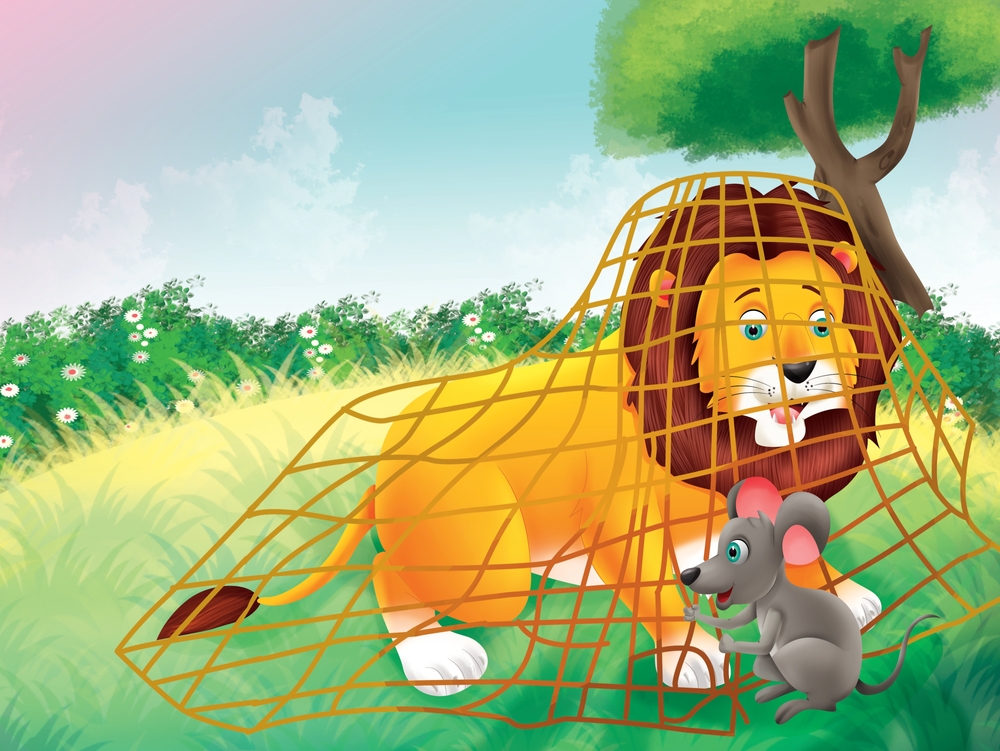
You might remember the story of the mouse and the lion? One day the lion caught the mouse and was about to eat the mouse, when it told the lion: “please one day, I will be able to help you.” The lion laughed so much he let the mouse go. Later the lion was captured in a net and the mouse came along and chewed through the net to free the lion.
The whole message of Jesus is about love and service of our neighbour. This is also the fundamental basis of democracy: each person contributes to empower the leadership to build communities and the nation that, in turn, empowers all the people.
They do this by ensuring security, peaceful dispute resolution, and creating structures that allow God and people to create new things to benefit the community and people. In the past, the Church played a fundamental role forming the consciousness of each person to a common moral standard that encouraged: mutual respect through love and service of neighbour.
What does it mean to love? It means to choose what is best, what is life-giving for the other. What does it mean to serve? It means to work half for self and half for the good of others. This is what built Australia, Canada and all the powerful democracies in the world.
Gradually, as we choose what is best for others, others also choose what is best for us.
and, as we sacrifice for others, others also do things for the good of us (sacrifice).
One behaviour increasingly common in our societies is a lack of respect for leaders: at the drop of a hat, claims of abuse are being filed for trivial matters, usually when they are trying to ensure people do their duty to the community where they are.
This also infects religious communities, where “my desires” become more important than what the religious community needs us to do, in order to fulfill the commitments made to the people of God, where a Congregation is assigned. Religious leadership try to be flexible but, often, it is not possible due to the reducing number of members. This requires sacrifice and, also, an openness to where God is leading us: opening up new opportunities for us to grow.
We have just finished the year of Hope, but many people failed to internalise it: we are often called to do things and move to places we do not want to choose because of circumstances.
This is part of being a PILGRIM and the idea of HOPE is closely connected to trusting that God will help us find happiness where we are being called: even St Peter was warned: but, when you grow older, you will be led to places you do not choose.
We see it a lot in family life where circumstances, job loss or sickness often demand parents to do things they do not want to do, but they know it is necessary for the family well-being.
By and large, our schools fail to push this line of thinking. Instead, students are told they can follow their dreams. However, their dreams can only come true if the community is healthy. So, first, every citizen must help the community be healthy so they can pursue their dreams.
The Beatitudes offer a way forward to help us make the changes necessary to build a more united and happier Community. May God bless our efforts to love and serve our neighbours.
By Gerard Conlan, OMI
