

Tomorrow reflects what we do today: to be the Change you want to See: be a Somebody, not a Nobody
Fifth Sunday in Ordinary Time – February 8, 2026
Today I’d like to be a little bit like Jesus and share two stories. For the First Reading, there is the challenge of compassion. And, right now, in Kenya there is a great need for compassion: so many people are hungry; so many without medical care; and so many cheated by others.
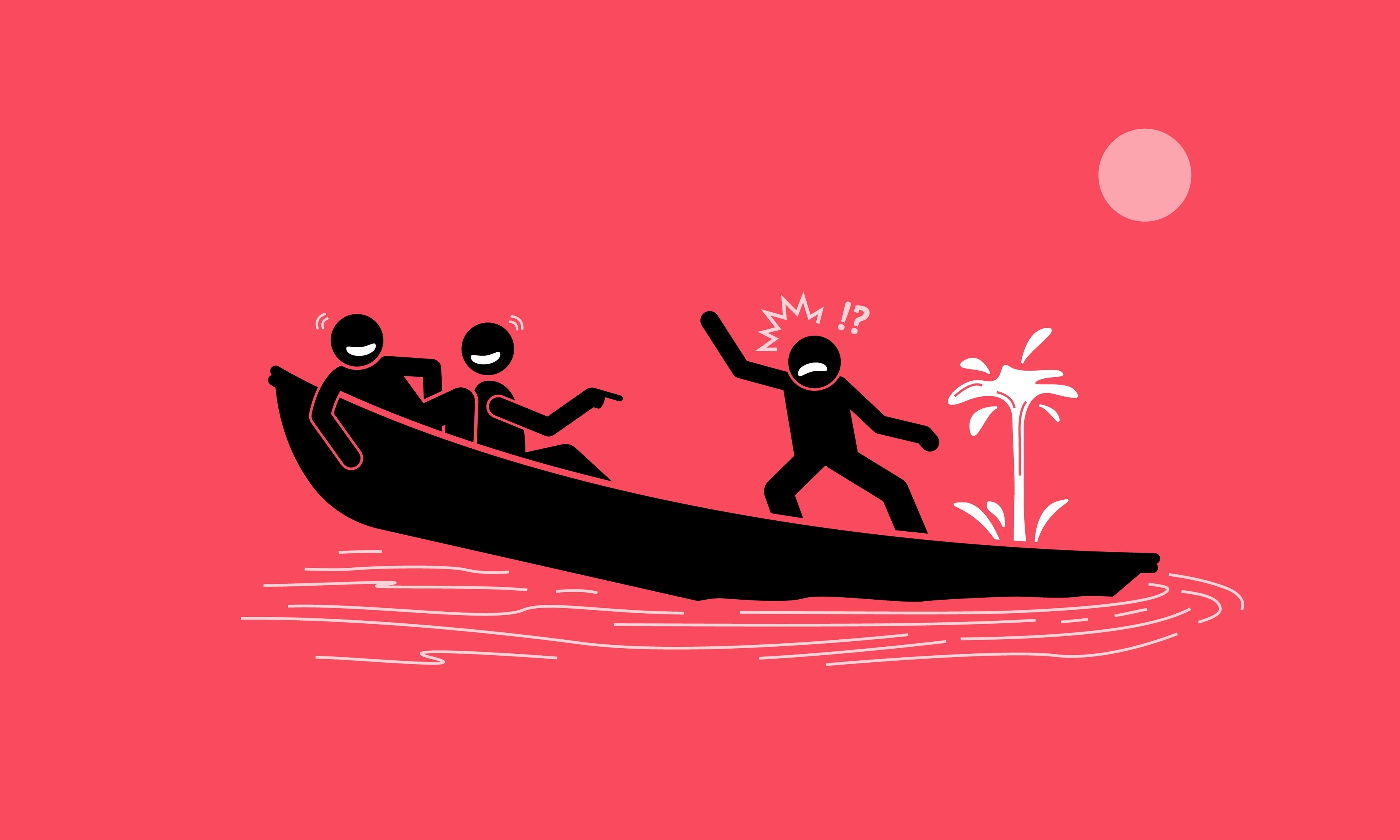
The first story is this: There was an important job to be done, and Everybody was sure that Somebody would do it. Anybody could have done it, but Nobody did it. Somebody got angry about that, because it was Everybody’s job. Everybody thought Anybody could do it, but Nobody realized that Everybody wouldn’t do it. In the end, Everybody blamed Somebody when Nobody did what Anybody could have done. [repeat]
This playful story is about responsibility and accountability. It shows how:
* When everyone assumes “someone else will handle it,” tasks get neglected.
And the task today is to be compassionate and give practical assistance to others in need.
* A sense of ownership and initiative are essential in teams, communities, and even families.
Ownership should start with extended family: let us not hold grudges for the past, none of us knows what they have been through to cause their past behaviour.
* It’s a reminder that if you see something that needs doing, don’t wait for Anybody: be the one to step up: be the Somebody who could have done it.
We can’t wait for Gov’t or other family members to act: when we act, we’ll be blessed, too!
The Second story connects with the Gospel: although the world does need the light of Christ through good people, there is so much false light around that many are blinded. What people need, more so today, is for us to be salt. Like Jesus who, at the end, stopped talking and just did it: sacrificed himself for others. We too need to stop talking and just act.
Many of us know that salt makes our food taste better: but it is just one of many uses for salt. I read that salt is used in making over 14,000 different products. Here are just a few of the many uses of salt. 1) Salt is used in making leather. Without salt we would not have many of the leather products that we use every day–like the belt that holds your pants up.
2) Salt is used to fix the dye in fabrics like your pretty shirt. Without salt, the bright colours we wear would quickly wash out of our fabrics. How boring!
3) Salt is used in the chemical industry to make plastics. Without salt, we might not have the toys we play with, or the helpful things we use, every day, which are made from plastic.
We have known about the usefulness of salt for many years. At one time, salt was so important that people were paid with salt. Since salt is so important, is it any wonder that Jesus told us that we were to be like salt to the world? Listen to the words of Jesus. “Salt is good, but if it loses its saltiness, how can you make it salty again? Have salt in yourselves, and be at peace with each other.” I think Jesus was saying that we should flavour our world with loving actions, rather than loving feelings and words.
Isaiah’s call to feed the hungry, clothe the naked, and shelter the homeless are the “flavours” of compassion that stops society from “spoiling” through injustice.
Just as salt makes food meaningful, and helps create useful tools, so our concrete acts of love, teaching, sharing and justice make our faith meaningful, and keep society healthy.
If we don’t live out compassion, faith becomes tasteless and meaningless: like food without salt. In a more challenging way, if we don’t live out compassion, our communities will become dangerous places to live: and instead of enjoying freedom, we will live in fear.
How about you? Are you allowing Jesus to use you to be salt to the world? Perhaps you say, it is someone else’s job to fix x.y.z. However, when we choose to be the Somebody that fixes x.y.z., we make an investment in our freedom for tomorrow. If we choose to be Nobody that fixes x.y.z., we put another nail in the coffin that will bury freedom tomorrow.
The United Nations stated the following Key facts in November, 2021:
* Globally, one in seven 10-19-year-olds experiences a mental disorder, accounting for 13% of the global burden of disease in this age group.
* Depression, anxiety and behavioural disorders are among the leading causes of illness and disability among adolescents.
* Suicide is the fourth leading cause of death among 15-29 year-olds.
* The consequences of failing to address adolescent mental health … extend to adulthood…
www.who.int – fact-sheets – adolescent-mental-health
When we fail to nurture, discipline, educate and challenge our youth we build a future of suffering. Choose today what kind of a tomorrow you want to have. Choose today to be the change you want to see in our world: choose today to be Somebody instead of Nobody.
By Gerard Conlan, OMI
