
We Reap What We Sow: Living the Resurrection Every Day
Third Sunday of Easter – April 19, 2026
Today’s readings converge on the central mystery that the risen Jesus fulfills God’s saving plan; and this truth transforms how believers live, hope, and understand the Bible. The Resurrection provides the basis for Christian hope: but how do we tap into that in everyday life? Like, I don’t want to sacrifice until I’m dead, and hoping to get a great reward!
Well, a simple way to think about it is this: the older we get, the more examples we see/ experience, of what people call KARMA. I used to think it might be heresy to use this language, after all it is linked to another religion that doesn’t believe in Jesus Christ.
However, as people are familiar with the term, let us Christianise. Karma originated in ancient India, connected to ritual action. It later evolved into a profound moral and philosophical principle for Hindus, Buddhists, Sikhs, etc (Britannica.com).
The general public think Karma means you reap what you sow: if you do good, good will come back to you; if you do bad, eventually bad will catch up with you. A simple example is the story of a priest some years back, in a country parish outside Meru who refused to carry any passengers: all priests had been told there might be insurance problems picking up passengers.
However, we presume some of the people walking long distances to town would have been parishioners who helped buy the car… anyway, this younger priest refused to help anyone walking on the road. One day he got stuck in mud, and everybody just kept walking past him refusing to help. We reap what we sow. I wonder if the priest changed his ways?
It is true insurance can be a challenge, but people are more important than rules. Our actions create an echo. Even Jesus said, he who lives by the sword will die by the sword. Now, the Resurrection only came about after a sacrifice: the bigger the sacrifice the greater the sense of Resurrection!
Every farmer knows the joy of a good harvest, after the hard weeks of digging, planting and spending weeks and months in the “tomb” worrying whether the rain will come. The production of food ensures life in the coming year, offers the hope that medical care, education and family needs can be covered. Anyone who has worked hard at a University degree knows the great liberating feeling, and sense of freedom, after graduation: not only is the hard work finished with a good result, but there is an expectation of hope for a better future.
Married life can be a roller-coaster as one partner or the other goes through various stages of “maturity” and children go through various stages of growing up (sickness, disabilities, etc.). Marriage requires many sacrifices and sometimes it feels like rewards are not coming, especially when partners do not cooperate or contribute. However, happy children growing up and forming families of their own, brings many blessings to the parents: a kind of Resurrection.
Marriage spouses (and even Religious community members), soldier on hoping all will be well. But sometimes it’s hard work: this is where Christian hope encourages us/ them. God will carry us through; God is walking with us in our suffering; and God will make all things well!
1,000 years ago St Julian of Norwich said: all will be well, and all manner of things will be well. At times it is hard to trust, to believe. However, when we see our neighbour enduring hardship but always having time to help others, or giving people a smile, it is truly the hand of God ‘speaking’ to us. Can we also be the hand of God ‘speaking’ to others?
The more we can smile when life is a struggle, the more liberated we feel: and the more wonderful our community becomes as we encourage others to continue their sacrifices.
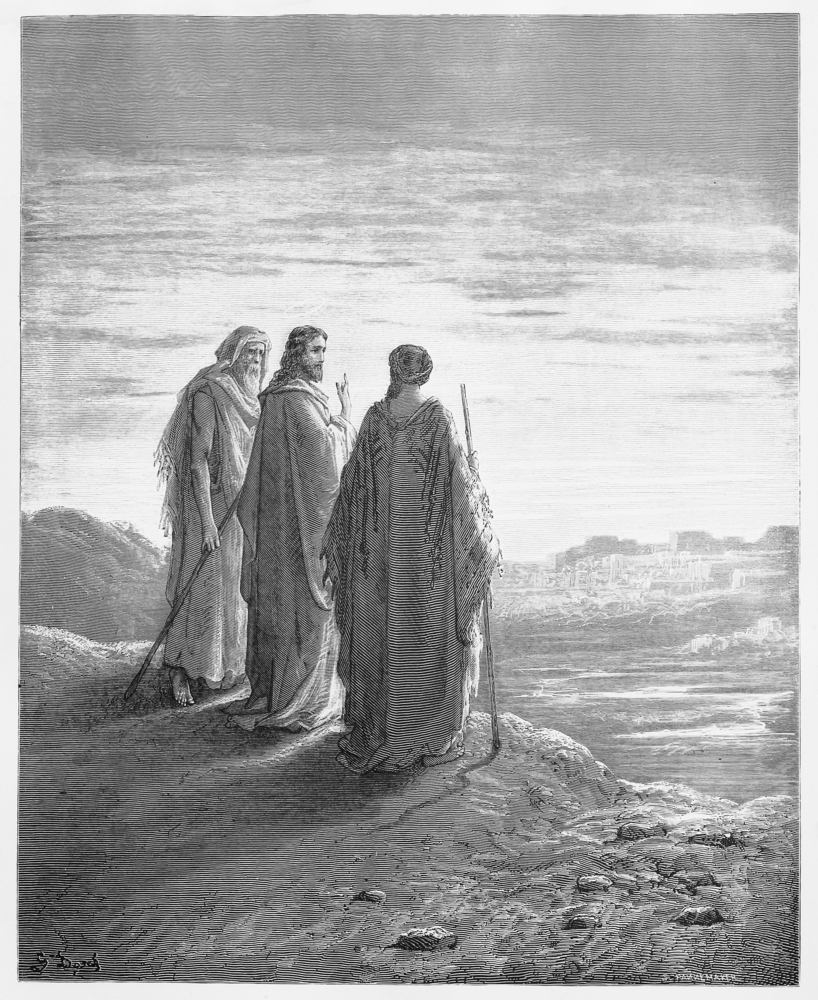
Thinking about community and family encouragement (by word or perseverance), helps us understand what it means in today’s Gospel when it says: “Did not our hearts burn within us as he talked to us on the road and explained the scriptures to us?” Being responsible, making sacrifices and helping each other, brings the Kingdom of God close for others, if not for ‘me’.
At times, our heads might be on fire! But, hopefully, they cool down and our heart ‘catches’ fire, as we see the goodness and sacrifices of others around us. It is inspiring how guidance and understanding from Jesus transformed the two disciples walking away from Jerusalem (from community, from Heaven on earth): they were filled with hope and returned to community.
Our readings reveal the effects of the Resurrection: it changed fear into courage (Acts), from being in the bad books to back in the good books (1 Peter), and sadness into joy (Emmaus).
The cross is a sign of love for Christians, and every sacrifice of kindness, for others, allows the ‘cross’ to be transformed again into God’s saving design of love for all people. Happy Easter!
By Gerard Conlan, OMI